
First Aid Kit Manufacturing

First aid equipment serves as the primary line of defense against accidents and injuries during life’s unpredictable moments. However, for this equipment to function effectively, its performance depends entirely on the quality and design of the kit in which it is stored. First aid kit manufacturing encompasses a broad spectrum of expertise, ranging from technical textiles and ergonomic design to legal compliance and rigorous durability testing.
In this article, we will explore the manufacturing journey of a first aid kit and the critical success factors to consider throughout this process under five key headings.
1. Material Selection in the Manufacturing Process: First Aid Kit Production
The first and most crucial step in first aid kit production is the selection of the right raw materials. These bags are often used in harsh conditions, inside vehicles, on construction sites, or during outdoor activities. Therefore, the chosen fabric must demonstrate high resistance to external factors.
Technical Textiles and Fabric Quality: Generally, 600 Denier or 1900 Denier Imperteks (polyester) fabrics are preferred. It is vital that these fabrics have water-repellent properties to protect the sterile materials inside the bag from moisture.
The Hygiene Factor: Since the bag will come into contact with medical products, it is a significant advantage for the inner lining to be easy to clean, stain-resistant, and possess antibacterial properties.
Accessory Durability: Zipper systems are the hardest-working parts of the bag. High-strength zippers such as "Type 10" and break-resistant Vislon (plastic teeth) systems should be utilized during manufacturing. In an emergency, a jammed zipper can delay critical intervention time.
2. Medical Bag Manufacturing: Customized Designs for Different Sectors
Every sector and area of use has different requirements. While a standard bag might meet the occupational safety requirements of a factory, it may remain too bulky for an outdoor athlete. For this reason, custom design first aid kit manufacturing holds a large share of the sector.
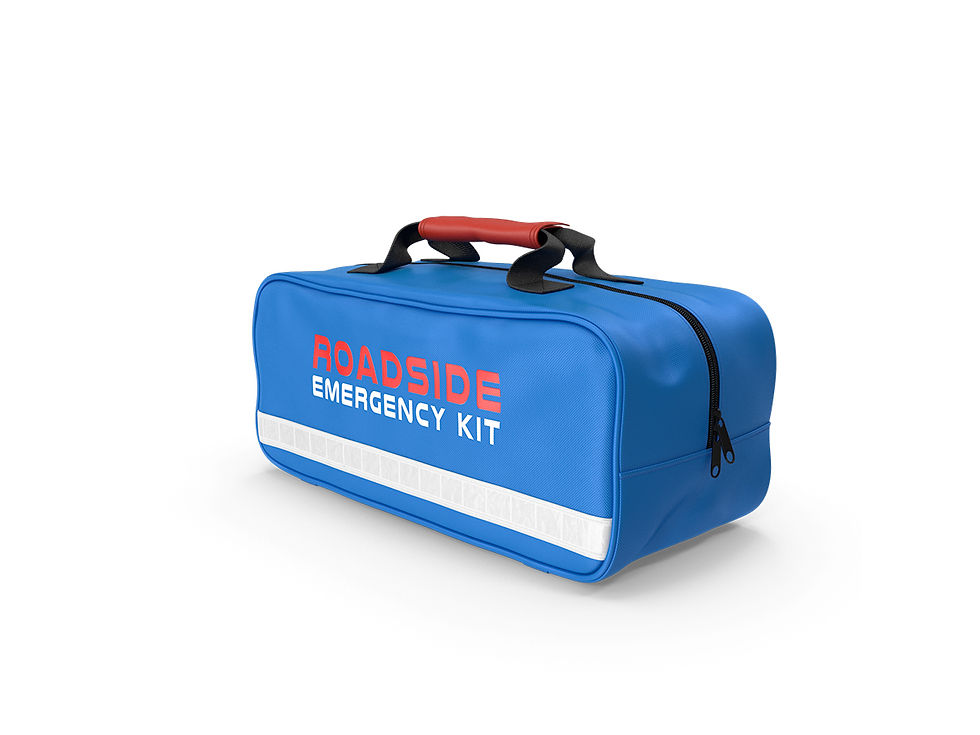
Vehicle-Type First Aid Kits: Generally designed to be more compact, fitting under seats or in trunk compartments. They possess a content capacity compliant with traffic regulations.
Workplace and Industrial Bags: Produced with wall-mounting brackets or in large volumes to serve a higher number of personnel.
Tactical and Military Bags: Products featuring Molle systems, modularity, and high abrasion resistance (such as Cordura fabric). These are specifically designed for harsh field operations.
Promotional and Corporate Bags: Models where company logos are applied via screen printing, embroidery, or rubber labels, bringing brand value to the forefront.
3. Legal Regulations and Certification: The Importance of ISO and CE Standards
Manufacturing in the healthcare sector brings serious responsibilities. The most concrete indicator of a manufacturer's quality is their quality certificates and compliance with international standards.
ISO 13485 (Medical Devices Quality Management System): This certificate proves that the manufacturer manages a world-class process in the production of medical device and equipment bags.
CE Mark: Indicates that the product complies with European Union health, safety, and environmental protection standards.
Regulatory Compliance: In Turkey, the Highway Traffic Regulation and the Occupational Health and Safety Law define the minimum materials and bag specifications required. It is mandatory for manufacturers to follow these current regulations during production.
4. Interior Design and Ergonomics: The Vital Role of Rapid Access and Order
No matter how durable the exterior of a first aid kit is, if the interior design is chaotic, efficiency drops during emergencies. In a professional manufacturing process, "User Experience" (UX) is kept at the forefront.
Modular Compartments: Velcro-backed (hook-and-loop) detachable panels or mesh pockets allow for the categorization of materials. For example, dressing materials should be in one place, while medications or disinfectants are in another.
Transparent Pockets: Transparent PVC compartments that allow the contents to be seen from the outside minimize search time.
Visual Markers: Identifying compartments within the bag with color codes (e.g., blue for respiratory equipment, red for circulation/bleeding control) is a standard requirement for professional rescue teams.
5. Wholesale Production: Supply Chain and Corporate Solutions
In wholesale first aid kit manufacturing processes for corporate firms, pharmaceutical warehouses, or public institutions, efficiency and cost management play a critical role.
Production Capacity: Maintaining quality standards in high-volume orders is made possible through automated sewing machines and assembly line systems.
Customization: Choosing colors suitable for corporate identity and applying professional logo printing techniques reflect the brand's professionalism.
Logistics and Lead Time: Especially in tender-based procurement or campaign periods, the timely delivery of products is the key to supply chain success.
Why Choosing the Right Manufacturer Matters
A first aid kit is not just an ordinary accessory; it is a tool that represents the "safe zone" in critical moments. Every detail, from the quality of the thread to the stitch density used in the first aid kit manufacturing process, determines the product's lifespan and performance.
If you are looking for durable, compliant, and functional solutions for your business, you should partner with a solution provider who has expertise in technical textiles, has completed certification processes, and can analyze user needs. Remember, quality always saves lives.


Comments