
Tote Bag Manufacturing

Tote bag manufacturing is an indispensable production area for both the retail sector and the promotional world. Especially with increasing environmental awareness and restrictions on the use of plastic bags, cloth bags and drawstring tote bags have become widespread in every aspect of daily life. A professional production process is not just about sewing a piece of fabric; it's about combining durability, aesthetics, and branding strategies.
In this guide, we will examine the technical details of Tote Bag Manufacturing, material choices, and the advantages it offers to brands under 5 main headings.
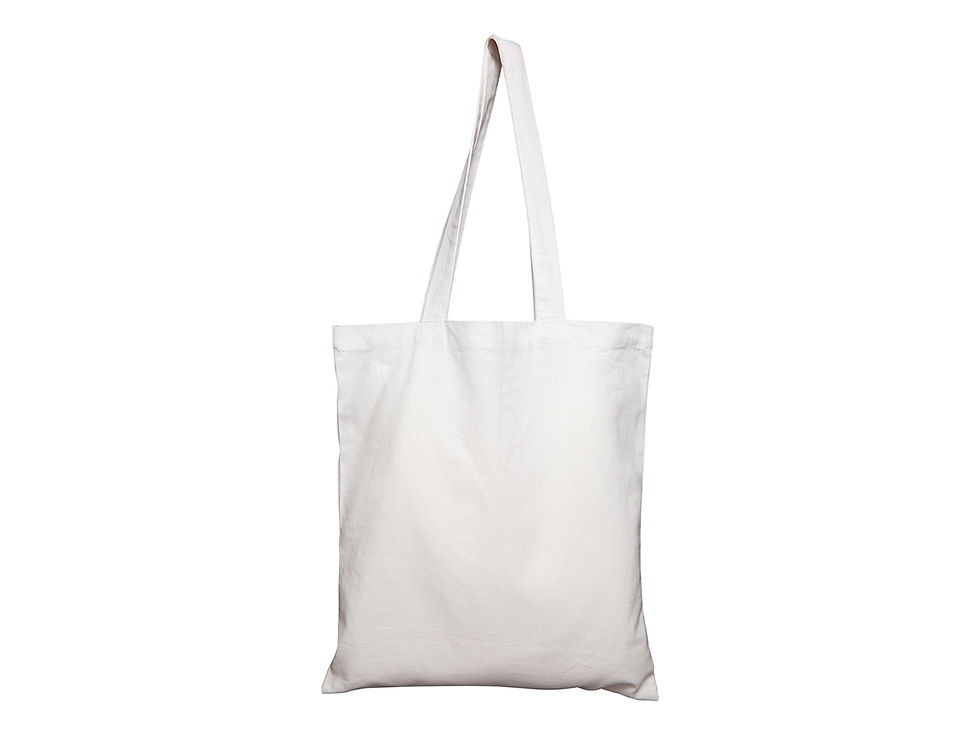
1. Fabric Selection in Tote Bag Manufacturing: Determining Material Based on Intended Use
The most fundamental element that determines the quality and lifespan of a bag is the fabric. The material selected during the tote bag manufacturing process directly impacts both the cost and the utility the end-user receives from the product.
Raw Cloth and Canvas (Cotton Fabrics): These are the most preferred types due to being completely natural and recyclable. They can be produced in weights ranging from 140 g/m² to 320 g/m². While canvas fabrics offer a heavier and more durable structure, thin raw cloth is ideal for economic promotional solutions.
Imperteks (Polyester) Fabrics: Known for their water-repellent properties and high tear resistance. 600 Denier or the lighter 270 Denier fabrics are frequently used, especially in sports tote bags and drawstring models.
Non-Woven: These non-woven fabrics are the most economical material for tote bag production. They are preferred for price/performance-oriented projects and grocery bags.
Jute and Gabardine: For brands seeking a more prestigious and rustic look, natural jute fabrics or tightly woven gabardine options add significant aesthetic value.
2. Design Diversity: From Drawstring Models to Tote Bag Designs
The term "tote bag" covers a very wide spectrum. During the production phase, the functionality of the design must be shaped according to the needs of the target audience.
Shoulder Strap Tote Bags: Preferred for shopping, the beach, or daily use due to their large internal volume and stylish appearance. Handle length and stitching quality are critical for carrying heavy loads.
Drawstring Bags: These are models that can generally be used as backpacks, cinched at the top with a cord. They are highly practical for gyms, schools, and events.
Personalized Details: Internal pockets, key fobs, or zipper compartments added during the manufacturing process transform a standard tote bag into a functional accessory.
3. Sustainability and Eco-Friendly Production Approach
Today, consumers care more than ever about the environmental impact of the products they purchase. As a cloth bag manufacturer, adopting sustainable methods is both an ethical and a commercial necessity.
Plastic Bag Alternative: A high-quality cloth bag can be used hundreds of times. This prevents thousands of plastic bags from polluting nature.
Recycled Fabrics: RPET fabrics, produced from PET bottles or textile waste, are at the center of "green marketing" strategies in modern manufacturing processes.
Ecological Certificates: Ensuring that the dyes and fabrics used in production comply with international standards such as OEKO-TEX® guarantees that the product does not harm human health or the environment.
4. Printing Technologies and Brand Visibility
A tote bag serves as a walking billboard for your brand. One of the most critical processes in the manufacturing stage is print quality.
Screen Printing: The most durable and economical method for high-volume production. It provides high color saturation, especially on raw cloth bags.
Digital Transfer and DTF Printing: Used for transferring multi-colored, complex, or photo-quality images onto fabric. It yields excellent results for small quantities and personalized designs.
Embroidery and Emprime: Embroidery applications are preferred for brands wanting to add a more prestigious and permanent touch to the product.
Edge-to-Edge Printing: Printing on fabric pieces before assembly allows every point of the bag, including the seams, to be included in the design.
5. Wholesale Tote Bag Manufacturing Processes and Supply Chain
Maintaining quality in high-volume orders and adhering to lead times demonstrates the professionalism of a production facility. It is important to know how the process works when placing a wholesale tote bag order.
Cutting and Pattern Preparation: Selected fabrics are cut flawlessly according to desired dimensions using automatic cutting machines or hand-held cutters.
Stitching and Assembly: Bag handles, body joints, and internal compartments (if any) are sewn with high-strength threads. Specifically, applying a "box stitch" (cross stitch) at the handle attachment points increases durability.
Quality Control and Packaging: Every product coming off the production line is checked for stitching errors, print clarity, and thread cleanliness. Products are pressed and packaged to ensure they are not damaged during shipment.
Logistics Advantage: Manufacturers located in production hubs like Istanbul can provide fast delivery to global markets thanks to both proximity to raw materials and advanced shipping networks.
Achieve Success with the Right Manufacturer
Tote bag manufacturing is much more than a simple sewing process; it is a production journey that represents your brand’s quality and vision. Choosing the right fabric, creating a functional design, and crowning your brand with high-quality printing techniques are all part of a successful marketing strategy.
If you are looking for durable, aesthetic, and eco-friendly solutions for your corporate projects or retail sales, working with an experienced manufacturer with high technical equipment is the best investment for your brand's future. Remember, a good bag doesn't just carry items; it carries your brand’s story.


Comments